
Hip & Knee Specialist and Joint Replacement Surgeon, StepRight Orthopaedic Centre, Mumbai.
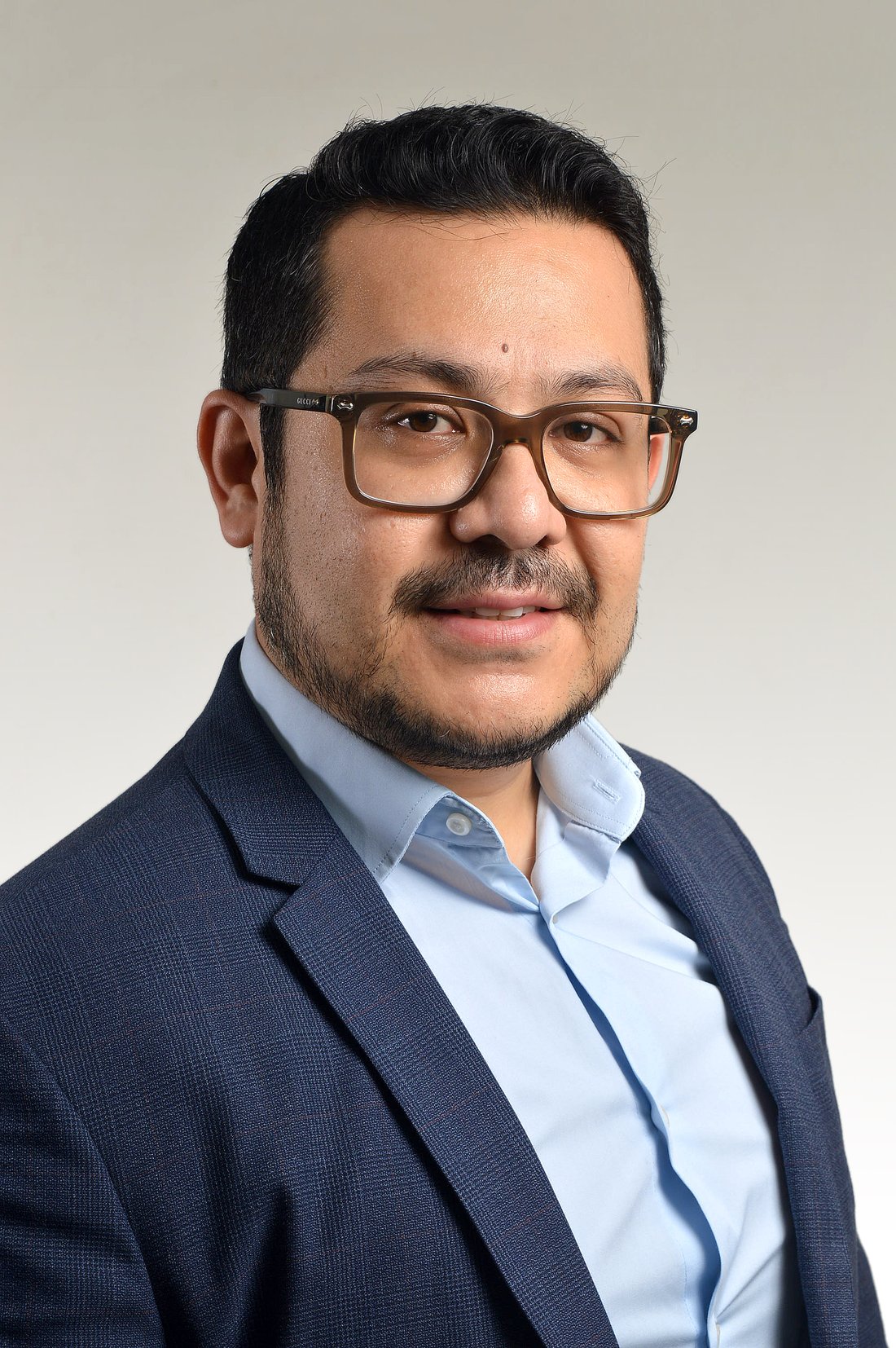
Thank you for taking the time to learn a little more about me. Deciding to see a specialist about hip or knee pain — let alone considering surgery — is a big step, and you should feel informed and cared for at every stage of that decision, whoever you choose to see.
I'd encourage you to keep reading below to understand not just my qualifications, but how I actually think about treating your hip or knee — because there's more to good orthopaedic care than a list of letters after a name.
After completing my MBBS and M.S. in Orthopaedics in India, I chose to specialise further rather than begin a general orthopaedic practice — hip and knee disease deserves a surgeon who has narrowed their focus to it specifically.
That path began with an ISAKOS Fellowship in Phoenix, USA, training under Dr. James Chow — the surgeon who pioneered the SuperPATH approach to the hip. Under him, I trained across robotic joint replacement, both primary and revision, as well as sports medicine, at a time when robotic systems hadn't yet been introduced in India.
Returning to India, I completed a Fellowship in Joint Replacement (FIJR) at Breach Candy Hospital, Mumbai, under Dr. Arun B. Mullaji, one of the country's most respected joint replacement surgeons. I then worked as his associate, handling his OPD at Powai — hands-on experience running a high-volume specialist practice day to day.
From there, I travelled to the UK to complete my MCh in Hip & Knee, training entirely at the Royal Lancaster Infirmary and Westmorland General Hospital, Kendal, while working for the NHS. The degree is academically affiliated with the Wrightington, Wigan & Leigh NHS Trust — renowned as the birthplace of the modern total hip replacement — where I attended academic sessions, workshops, and sat my examinations, while my day-to-day clinical training was based at Lancaster and Kendal.
Across this training, I worked under consultants using the direct anterior, anterolateral, and posterior approaches to the hip, and I now choose between them on a case-by-case basis, depending on what best suits each patient's anatomy — rather than defaulting to a single technique regardless of the patient in front of me.
Foundational medical and orthopaedic surgical training, building the general orthopaedic base every specialist starts from.
Trained under Dr. James Chow, pioneer of the SuperPATH approach to the hip — robotic joint replacement (primary & revision) and sports medicine, ahead of robotics arriving in India.
Fellowship in Joint Replacement under Dr. Arun B. Mullaji, followed by working as his associate handling his Powai OPD.
Trained entirely at the Royal Lancaster Infirmary & Westmorland General Hospital, Kendal, with the NHS — academically affiliated with Wrightington, Wigan & Leigh NHS Trust.
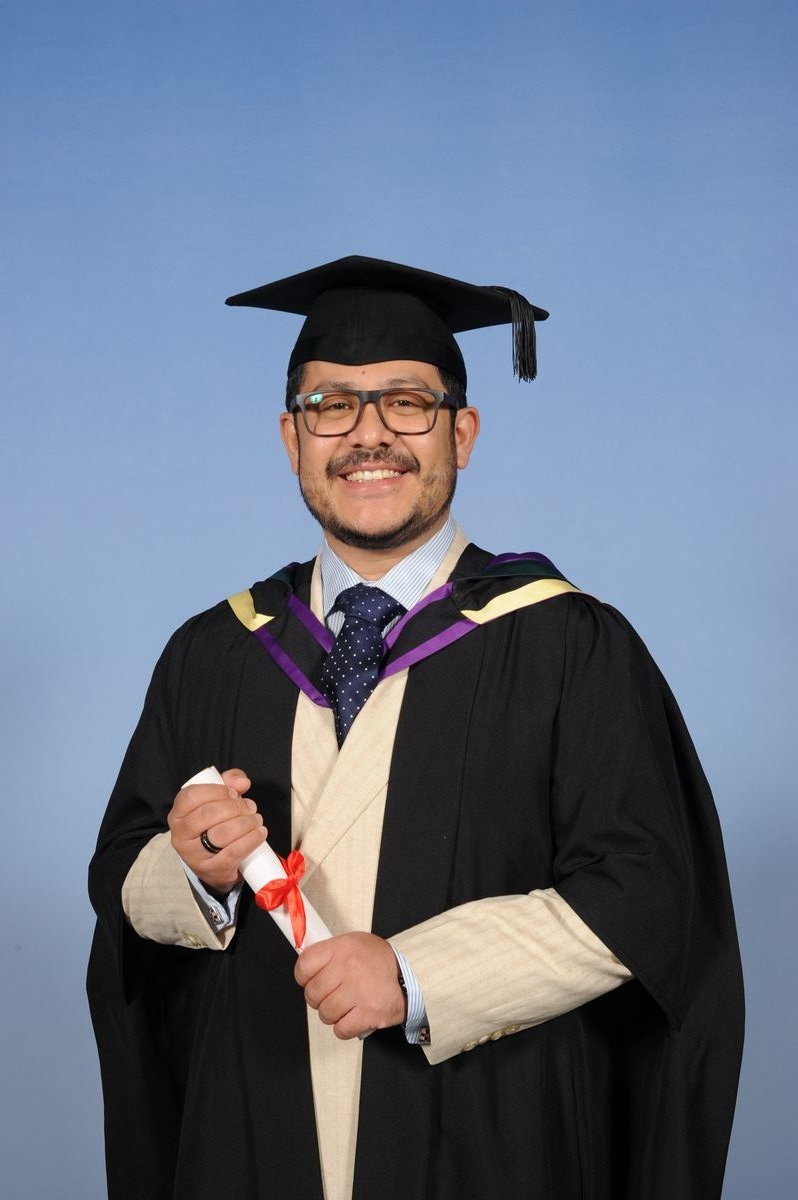

Graduating with the MCh in Hip & Knee, academically affiliated with the Wrightington, Wigan & Leigh NHS Trust — the birthplace of the modern total hip replacement, pioneered by Sir John Charnley.
11 published papers across leading orthopaedic journals, including work on periprosthetic fracture management, knee deformity phenotyping, and joint replacement outcomes.
View publicationsI believe good orthopaedic care starts before any imaging is reviewed — it starts with actually listening to how your pain is affecting your life, not just where it is on a scan. Two patients with an identical X-ray can need very different treatment plans, depending on their goals, activity level, and what "better" actually means to them.
I'm a strong believer that surgery should be the answer when it's genuinely the right one — not the default option offered because it's the most familiar one. Every consultation starts with an honest conversation about whether non-surgical management could work first, and surgery is only recommended once that's been properly considered.
Where surgery is the right path, I hold myself to the standard I learned at Wrightington: technical precision, evidence-based decision-making, and a recovery plan that's written down and followed through, not left to chance after you leave the hospital.